

Struggling with humidity and poor air in your New Orleans home? Professional air quality solutions can transform your indoor environment, tackling the mold, allergens, and moisture problems that make our Gulf South climate so challenging for homeowners.
You know that feeling when you walk into your house and it just feels… heavy? Like the air is thick enough to swim through, your clothes never quite feel dry, and there’s that persistent musty smell you can’t quite pinpoint? If you’re nodding along, you’re experiencing what millions of New Orleans homeowners deal with daily—poor indoor air quality driven by our relentless humidity.
Living below sea level next to the Mississippi River means we’re basically living in nature’s humidifier. While that’s great for our skin and keeps us looking younger, it’s terrible for our homes and health. The good news? You don’t have to accept stuffy, unhealthy air as just “part of living in New Orleans.”
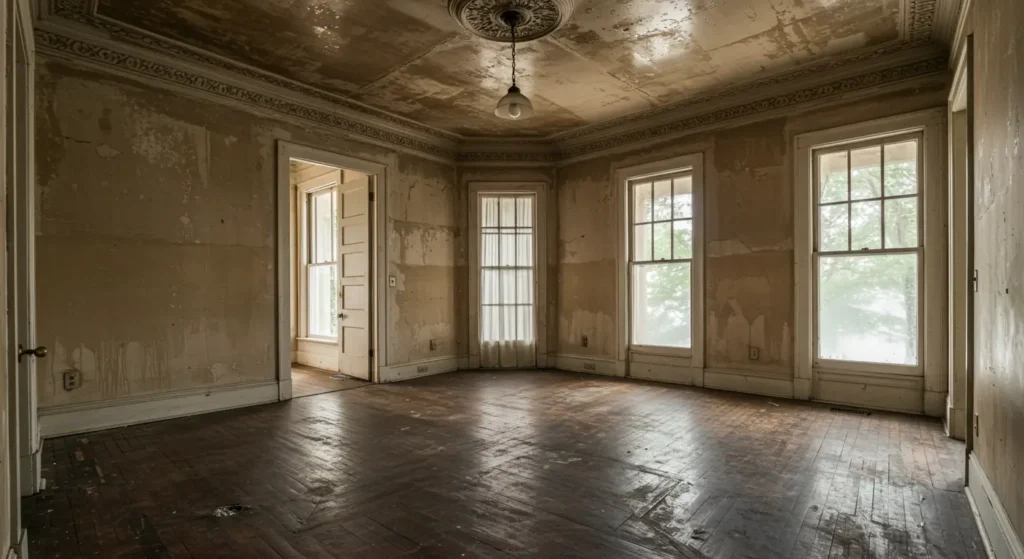
Why Indoor Air Quality Matters More in New Orleans
Let’s be honest—our climate is unlike anywhere else in the country. While folks in Arizona worry about dry air, we’re dealing with humidity levels that regularly exceed 70% year-round. That’s not just uncomfortable; it’s a breeding ground for problems that affect both your home and your family’s health.
Our unique position below sea level, surrounded by water, creates what meteorologists call a “moisture trap.” The air literally has nowhere to go, so it sits here, accumulating more water vapor from the Gulf, the lake, and the river. Add in our subtropical temperatures that rarely dip low enough to dry things out naturally, and you’ve got a perfect storm for indoor air quality issues.
Historic homes throughout Uptown, the Marigny, and Mid-City face additional challenges. These beautiful properties were built in an era before vapor barriers, modern insulation, or central air conditioning. Their charming old windows and original wood construction can actually trap moisture inside, creating microclimates where mold and mildew thrive. Even newer homes in Lakeview or Metairie aren’t immune—modern energy-efficient construction can seal in humidity just as effectively as it keeps out heat.
The result? Indoor humidity levels that would shock homeowners in other parts of the country. We’ve measured homes where indoor humidity exceeded outdoor levels because moisture gets trapped and concentrated inside. That’s when you start seeing condensation on windows, feeling that clammy sensation even with the AC running, and noticing that distinctive “New Orleans smell” that’s actually mold and mildew beginning to grow.
Signs Your Home Has Poor Indoor Air Quality
How do you know if your home’s air quality needs attention? Your house will tell you—you need to know what signs to look for. After working with hundreds of New Orleans families, we’ve identified the most common indicators that your indoor air quality needs professional attention.
Visible Warning Signs:
- Condensation forming on windows, especially in the morning
- Black or green spots appearing on walls, ceilings, or around vents
- Peeling paint or wallpaper, particularly in bathrooms
- Warped wood floors or swollen doors that stick
- Rust or corrosion on metal fixtures and appliances
What Your Nose Tells You:
- Musty, earthy odors that persist despite cleaning
- Different smells in different rooms (indicates localized moisture problems)
- Pungent odors after rain or during humid periods
- Chemical smells from off-gassing materials affected by moisture
Health Symptoms to Watch For:
- Allergy symptoms that improve when you leave home
- Morning congestion or respiratory irritation
- Frequent headaches or fatigue while indoors
- Skin irritation or rashes with no other explanation
- Asthma flare-ups are more frequent at home
The tricky thing about these symptoms is they develop gradually. You might not notice your home’s air quality declining because it happens slowly over months or years. Many of our customers are shocked when we show them moisture readings or particle counts—they’ve simply gotten used to living with poor air quality.
The Hidden Dangers of New Orleans Humidity
Here’s what that excess humidity is really doing behind the scenes, and why addressing air quality isn’t just about comfort—it’s about protecting your family and your investment.
When indoor humidity consistently exceeds 60%, you’re providing ideal conditions for some unwelcome houseguests. Dust mites, those microscopic creatures that trigger allergies, absolutely thrive in humid environments. Their populations can explode in our climate, with each mite producing about 20 waste particles daily that become airborne allergens. No amount of cleaning can control them when humidity provides perfect breeding conditions.
Mold is an even bigger concern. In our climate, mold can establish colonies in as little as 24-48 hours, given sufficient moisture. Once established, it releases spores continuously, which can trigger everything from mild allergic reactions to severe respiratory problems. According to the CDC, mold exposure can cause symptoms ranging from nasal stuffiness to more severe reactions in sensitive individuals. In New Orleans, we’re not just talking about a bit of bathroom mildew—we’re dealing with aggressive mold growth that can colonize entire wall cavities.
Beyond health impacts, excessive humidity is slowly destroying your home from the inside out. Wood absorbs moisture and expands, causing floors to buckle and structural elements to weaken. Drywall becomes soft and crumbly. Metal components rust and corrode. Electronic devices fail prematurely. Even your HVAC system suffers, working overtime to remove moisture it wasn’t designed to handle, shortening its lifespan and driving up energy bills.
Professional Air Quality Solutions That Actually Work
After years of fighting New Orleans humidity, we’ve learned that half-measures don’t cut it. You need comprehensive air quality solutions designed specifically for our climate challenges.
Whole-House Dehumidification Systems
The game-changer for New Orleans homes is whole-house dehumidification. Unlike portable units that treat single rooms and need constant emptying, these systems integrate with your existing HVAC to automatically control humidity throughout your entire home. They work independently of your air conditioning, meaning you can prevent moisture even on those mild days when you don’t need cooling.
Modern systems can remove up to 100 pints of water daily—that’s over 12 gallons pulled from your air every single day. They monitor humidity levels continuously and adjust automatically, maintaining that ideal 30-50% range regardless of what Mother Nature throws at us. The water drains directly to your plumbing, so there’s no maintenance beyond annual filter changes.
Advanced Air Filtration Technology
Standard filters aren’t enough for our challenging environment. High-efficiency particulate air (HEPA) filtration or high-MERV rated filters can capture particles as small as 0.3 microns—that includes mold spores, pollen, and most allergens. These systems don’t just trap particles; they prevent them from recirculating through your home.
For homes with severe allergies or respiratory concerns, we often recommend combining filtration with UV-C light purification. These lights are installed in your ductwork and destroy mold, bacteria, and viruses at the DNA level. It’s the same technology hospitals use to maintain sterile environments, adapted for residential use.
Smart Ventilation Strategies
Here’s something counterintuitive: sometimes the solution to humidity problems is bringing in outside air—but it has to be done strategically. Energy recovery ventilators (ERVs) exchange stale indoor air for fresh outdoor air while transferring moisture and temperature between the two streams. This means you get fresh air without inviting in all that outdoor humidity.
For historic homes or properties where traditional ductwork isn’t feasible, ductless mini-split systems with built-in dehumidification capabilities offer room-by-room control. These systems are particularly effective in problem areas like basements, additions, or rooms with poor air circulation.
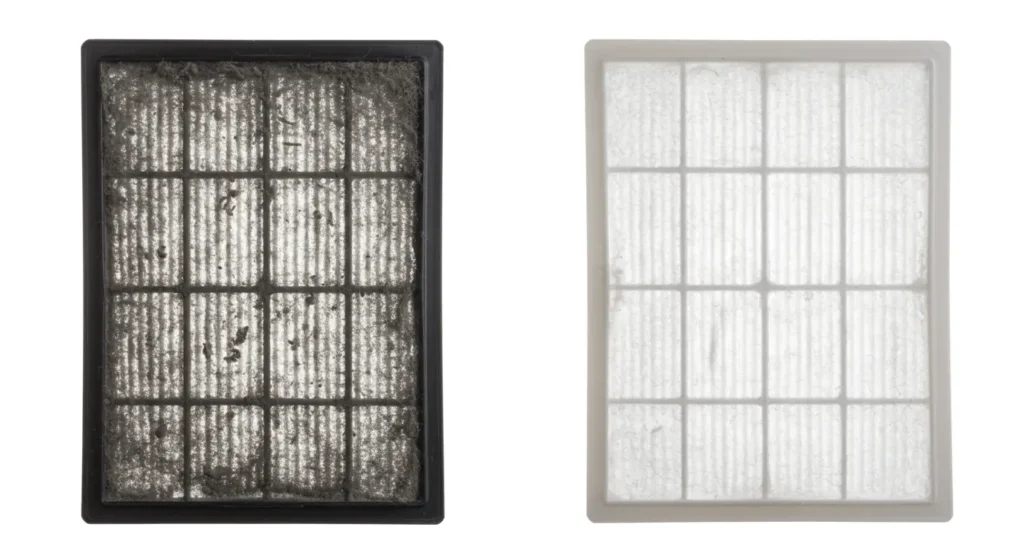
DIY Steps to Improve Air Quality Today
While professional solutions provide comprehensive protection, there are steps you can take immediately to start improving your home’s air quality:
- Run exhaust fans longer – After showering or cooking, keep fans running an extra 20-30 minutes to remove moisture.
- Check and clean AC drain lines monthly – Clogged condensate lines cause water backup and increase indoor humidity.
- Fix water leaks immediately – Even small leaks create moisture problems. That dripping faucet is adding humidity 24/7.
- Increase air circulation – Use ceiling fans year-round. Moving air prevents moisture from settling and condensing.
- Monitor humidity levels – Invest in a hygrometer (about $10) to track indoor humidity. Knowledge is power.
- Maintain proper drainage – Ensure gutters work properly and ground slopes away from your foundation to prevent moisture intrusion.
- Ventilate enclosed spaces – Open closet doors periodically, especially those on exterior walls where condensation is common.
But here’s the reality: these steps help, but won’t solve serious air quality problems. When you’re fighting 70%+ outdoor humidity with temperatures in the 90s, DIY solutions are like bringing a knife to a gunfight. That’s when you need professional help.
If you’re experiencing persistent symptoms, visible mold growth, or humidity levels that won’t drop below 60% despite your efforts, it’s time to call in experts. Don’t wait for problems to worsen—mold damage and health impacts compound quickly in our climate. Contact our team at (504) 314-1486 for a professional assessment.

The Hagerman Approach to Indoor Air Quality Solutions
When you work with our experienced team, you’re getting more than just equipment installation—you’re getting a comprehensive approach to solving your home’s unique air quality challenges.
We start with a thorough assessment of your home’s current conditions. Using professional-grade meters, we measure humidity levels in multiple locations, test for airborne particles, and inspect your existing HVAC system’s capability. We look for moisture intrusion points, evaluate your insulation and vapor barriers, and identify specific problem areas that need attention.
Based on our findings, we design a customized solution that works with your existing systems and budget. Maybe you need whole-house dehumidification integrated with your current HVAC. Perhaps your ductwork needs sealing to prevent moisture infiltration. Or possibly, strategic UV purification combined with enhanced filtration will address your concerns. There’s no one-size-fits-all answer in New Orleans—every home has unique challenges based on its age, construction, and location.
Our installation process is thorough and respectful of your home. We protect your floors and belongings, work efficiently to minimize disruption, and ensure everything is perfectly calibrated before we leave. More importantly, we educate you on how to maximize your new system’s effectiveness, from optimal settings to maintenance requirements.
We don’t disappear after installation. Our maintenance programs ensure your air quality solutions continue performing optimally year-round. Regular filter changes, system inspections, and performance monitoring catch small issues before they become big problems. Plus, you’ll have priority service if you ever need us—because we know that air quality problems don’t wait for convenient times.
Making the Investment in Healthier Air
Let’s talk honestly about costs. Professional air quality solutions represent an investment of $1,500-4,000 for most New Orleans homes, depending on size and specific needs. That might seem substantial, but consider what you’re already losing to poor air quality.
Energy waste from excessive humidity costs the average New Orleans home $30-50 monthly in unnecessary cooling expenses. Mold remediation, if problems go unchecked, can easily exceed $5,000. Medical costs for allergy treatments and respiratory issues add up quickly. Property damage from moisture—warped floors, ruined drywall, corroded appliances—creates ongoing repair expenses.
Most homeowners see a return on investment within 2-3 years through energy savings alone. Factor in prevented damage and health improvements, and the math becomes even more compelling. We offer financing options to make these solutions accessible because we believe every family deserves healthy indoor air.
The transformation in your daily life is immediate. Imagine waking up without congestion, your clothes actually feeling dry, and that musty smell finally gone. Your home feels crisp and comfortable even on the most humid days. Allergies improve, sleep quality increases, and you stop worrying about what’s growing in your walls.
Take Action for Your Family’s Health Today
Living in New Orleans means accepting certain realities—hurricane season, festival traffic, and yes, challenging weather. But suffering through poor indoor air quality doesn’t have to be one of them. Modern air quality solutions can transform your home into a healthy, comfortable refuge from our demanding climate.
Every day you wait, moisture continues its assault on your home and health. Mold colonies expand, allergens accumulate, and your HVAC system works harder than necessary. The sooner you address air quality problems, the less damage you’ll need to repair and the quicker your family will experience relief.
Don’t let another humid season pass, wondering if your home’s air is making you sick. Our team at Hagerman Services has helped hundreds of New Orleans families breathe easier with customized air quality solutions designed for our unique climate challenges. We understand these problems because we live here too—and we know exactly how to solve them.
Ready to discover what clean, healthy air feels like in your own home? Call us at (504) 314-1486 to schedule your comprehensive air quality assessment. We’ll identify your specific challenges, explain your options clearly, and help you choose the solution that fits your needs and budget.
Stop accepting poor air quality as “just part of living in New Orleans.” Contact Hagerman Services today and take the first step toward a healthier, more comfortable home. Your family deserves to breathe easy—let us show you how.
Frequently Asked Questions
What’s the ideal indoor humidity level for New Orleans homes?
Maintain 30-50% indoor humidity despite outdoor levels often exceeding 70%. This range prevents mold growth while keeping you comfortable. Professional dehumidification systems help achieve these levels year-round in our challenging climate.
Can my regular AC system control humidity adequately in New Orleans?
Standard AC systems struggle with our extreme humidity. While they remove some moisture, most aren’t designed for 70%+ humidity levels. Whole-house dehumidification integrated with your HVAC provides the comprehensive control needed.
How often should air filters be changed in humid climates?
Change filters monthly during New Orleans summers when humidity peaks. High moisture causes filters to clog faster with mold spores and allergens. During less humid months, every 6-8 weeks may suffice for standard filters.
What’s the difference between a portable dehumidifier and whole-house dehumidification?
Portable units treat single rooms and require constant emptying. Whole-house systems integrate with your HVAC, automatically controlling humidity throughout your entire home while draining directly to plumbing—ideal for New Orleans’ persistent moisture.
Will air quality solutions reduce my energy bills?
Yes, typically by 10-20%. When humidity is controlled, your AC doesn’t work as hard to cool your home. Drier air feels cooler, allowing higher thermostat settings while maintaining comfort and reducing runtime.
How much do whole-home air quality solutions cost in New Orleans?
Investment ranges from $1,500 to $4,000, depending on home size and specific needs. Most homeowners see ROI through energy savings, prevented mold damage, and reduced healthcare costs within 2-3 years.