Frequently Asked Questions
Who handles equipment maintenance?
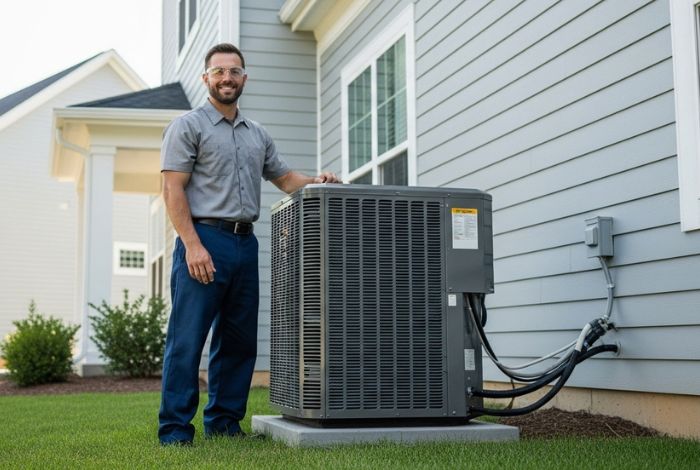
Equipment maintenance is handled by our skilled HVAC technicians at Hagerman Services. They ensure that your systems are operating efficiently and effectively, providing both residential and commercial clients with reliable maintenance solutions.
How to install HVAC?
Installing HVAC involves assessing the space, selecting the right system, and following manufacturer guidelines for proper placement and connections. It's crucial to ensure proper ventilation and insulation for optimal efficiency and performance.
Is installation required?
Installation is required for HVAC systems to ensure proper functionality and efficiency. Our team at Hagerman Services is equipped to handle all installation needs, tailored specifically for the unique climate of New Orleans.
What maintenance is required?
Regular maintenance for HVAC systems includes changing air filters, cleaning coils, checking refrigerant levels, and inspecting ductwork. These tasks help ensure optimal performance, energy efficiency, and longevity of your system, especially in New Orleans' unique climate.
What is HVAC maintenance?
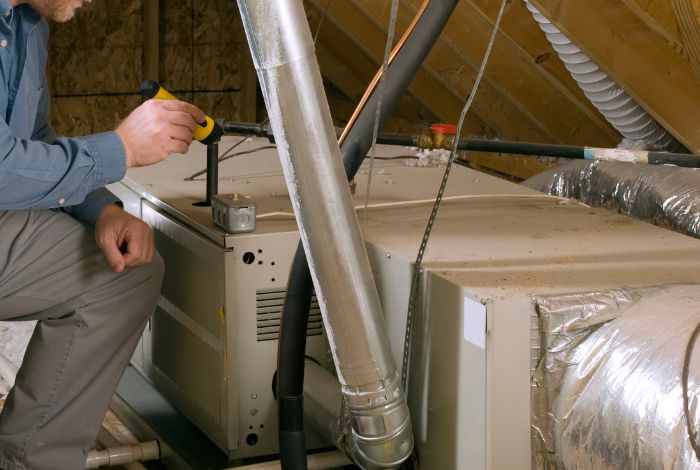
HVAC maintenance refers to the routine checks and services performed on heating, ventilation, and air conditioning systems to ensure their efficient operation, prolong their lifespan, and prevent unexpected breakdowns.
What is HVAC installation?
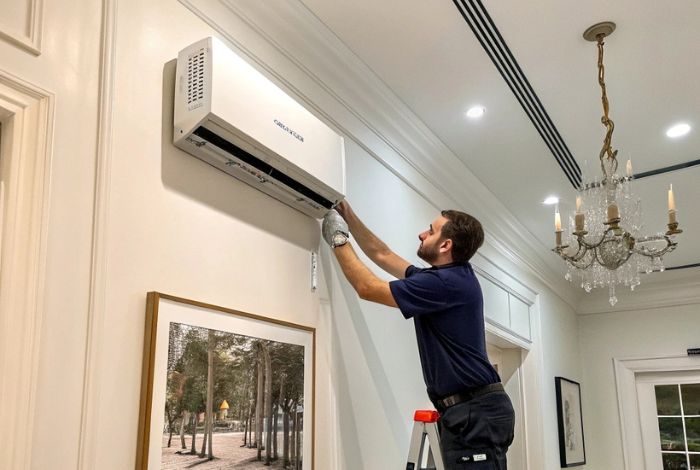
HVAC installation refers to the process of setting up heating, ventilation, and air conditioning systems in residential or commercial spaces. This includes selecting the right equipment, ensuring proper placement, and connecting all necessary components for optimal performance and energy efficiency.
Who provides HVAC services?
HVAC services are provided by specialized companies and technicians who are trained to install, repair, and maintain heating, ventilation, and air conditioning systems. In New Orleans, Hagerman Services is a trusted provider for both residential and commercial clients.
What qualifications are needed for HVAC technicians?
The qualifications needed for HVAC technicians include a high school diploma or GED, completion of an accredited HVAC training program, and relevant certifications such as EPA Section 608. Hands-on experience through apprenticeships is also essential.
How often should HVAC systems be serviced?
HVAC systems should be serviced at least once a year to ensure optimal performance and longevity. Regular maintenance helps prevent breakdowns and improves energy efficiency, especially in the unique climate of New Orleans.
What are signs of HVAC system failure?
The signs of HVAC system failure include unusual noises, inconsistent temperatures, increased energy bills, and poor airflow. If you notice any of these issues, it may be time to have your system inspected by a professional.
What tools are essential for HVAC installation?
The essential tools for HVAC installation include a refrigerant gauge, pipe wrenches, screwdrivers, pliers, a multimeter, and a drill. These tools ensure efficient and effective installation of heating, ventilation, and air conditioning systems.
How to choose the right HVAC system?
Choosing the right HVAC system involves considering factors such as the size of your space, energy efficiency ratings, and your specific heating and cooling needs. Consulting with a professional can help ensure you make an informed decision tailored to New Orleans' climate.
What are common HVAC installation mistakes?
Common HVAC installation mistakes include improper sizing of equipment, neglecting to seal ducts, incorrect refrigerant charge, and poor placement of indoor and outdoor units, all of which can lead to inefficiency and increased energy costs.
How to improve HVAC energy efficiency?
Improving HVAC energy efficiency involves regular maintenance, sealing ductwork, upgrading to programmable thermostats, and ensuring proper insulation. These steps help reduce energy consumption and enhance system performance, ultimately leading to lower utility bills.
What is the average lifespan of HVAC systems?
The average lifespan of HVAC systems typically ranges from 15 to 25 years, depending on factors such as maintenance, usage, and the quality of the system. Regular maintenance can help extend the lifespan significantly.
What factors affect HVAC installation costs?
The factors that affect HVAC installation costs include the system type, unit size, installation complexity, labor rates, and any necessary modifications to your home’s existing infrastructure. Local climate and energy efficiency requirements also play a significant role.
How to troubleshoot HVAC system issues?
Troubleshooting HVAC system issues involves checking the thermostat settings, ensuring the power supply is connected, inspecting air filters for clogs, and verifying that vents are unobstructed. If problems persist, contact a professional for assistance.
What certifications should HVAC service providers have?
HVAC service providers should have certifications such as EPA Section 608, NATE, and state-specific licenses. These credentials ensure they are qualified to handle refrigerants, install systems correctly, and comply with local regulations.
How to maintain HVAC systems in winter?
Maintaining HVAC systems in winter involves regularly changing filters, checking and sealing ductwork, and scheduling professional inspections to ensure optimal performance and energy efficiency during the colder months.
What are the benefits of regular HVAC maintenance?
The benefits of regular HVAC maintenance include improved energy efficiency, extended equipment lifespan, enhanced indoor air quality, and reduced repair costs. Consistent maintenance ensures your system operates optimally, providing reliable comfort in your New Orleans home or business.
How to select an HVAC service provider?
Selecting an HVAC service provider involves considering their experience, customer reviews, and licensing. Ensure they offer comprehensive services, energy-efficient solutions, and prompt customer support to meet your specific needs effectively.
What is included in HVAC maintenance plans?
HVAC maintenance plans include regular inspections, cleaning of components, system tune-ups, and priority service for repairs. These plans ensure optimal performance, extend equipment lifespan, and enhance energy efficiency, tailored specifically for the unique climate of New Orleans.
How to extend the life of HVAC equipment?
Extending the life of HVAC equipment involves regular maintenance, including filter changes, system inspections, and timely repairs. Additionally, ensuring proper insulation and energy-efficient practices can significantly enhance longevity and performance.
What are the latest HVAC technology trends?
The latest HVAC technology trends include the rise of smart thermostats, energy-efficient systems, and advanced air filtration solutions, all designed to enhance comfort, reduce energy consumption, and improve indoor air quality in homes and businesses.
How to prepare for HVAC installation?
Preparing for HVAC installation involves ensuring clear access to the installation area, removing any obstacles, and discussing your specific needs with your HVAC technician to ensure a smooth process.
What is the process of HVAC system replacement?
The process of HVAC system replacement involves several key steps: assessing the current system, selecting an appropriate new unit, removing the old system, installing the new equipment, and ensuring proper setup and testing for optimal performance.
How to ensure proper HVAC system sizing?
Ensuring proper HVAC system sizing is crucial for efficiency and comfort. To achieve this, conduct a detailed load calculation considering factors like home size, insulation, and climate. Consulting a professional can provide the most accurate assessment for your specific needs.
What are the environmental impacts of HVAC systems?
The environmental impacts of HVAC systems include energy consumption, which contributes to greenhouse gas emissions, and the potential release of refrigerants that can harm the ozone layer. Choosing energy-efficient systems can mitigate these effects.
How to handle HVAC emergencies effectively?
Handling HVAC emergencies effectively involves quickly assessing the situation, shutting off power to the unit, and contacting a professional technician for immediate assistance to ensure safety and prevent further damage.
What are the best practices for HVAC maintenance?
The best practices for HVAC maintenance include regularly changing air filters, scheduling annual professional inspections, cleaning the system components, and ensuring proper insulation and airflow to enhance efficiency and longevity.